
Raise your hand if you've purchased a product simply because the label says it's eco-friendly (I'm raising mine). It feels good to believe we're helping the environment by using products we think are sustainable.
Unfortunately, sustainability has become a marketing tool that companies use to ensnare well-intentioned people to buy their non-sustainable products - a tactic that's known as greenwashing. Discover common greenwashing examples and how to spot them so you can make more informed choices.
What Is Greenwashing and How Does It Affect You?

Greenwashing is an advertising tactic where companies claim their products are environmentally friendly without the proper evidence to prove it. On the one hand, greenwashing's presence hints at an important shift in culture where people want to buy products that are good for the environment - which is why companies want to make their products sound as eco-friendly as possible.
On the other hand, when you fall prey to this deceitful marketing, you're spending money on products that aren't as sustainable as they claim. And your dollars are going to companies that don't support the issues you want to put your money towards.
In capitalism, capital (aka your money) is your main mode of power. Giving that capital - that power - to organizations you think are supporting your aims only hurts the causes you actually want to support.
Greenwashing Example: Lack of Proof

There are endless examples of greenwashing in the marketplace, especially because marketing tactics are always changing. One common example is claims that lack proof.
Often this appears as non-specific statistics, such as "packaged with 70% more recycled material" or "50% less plastic." These claims never have a citation at the bottom or reference a study/press release that you can refer back to verify them.
If you see such a claim ask yourself, "70% more recycled material than what?" If it isn't clear what the company is comparing their product to, chances are it's greenwashing.
Greenwashing Example: Environmental Buzzwords

If you're invested in environmental justice and working towards minimizing the effects of climate change, then you're in-the-know about the vocabulary of environmentalism. Words like eco-friendly, sustainable, non-toxic, organic, and so on are all words that companies can throw around that'll grab a buyer's attention.
If you're looking on a shelf at three different brands of the same product and you read each of their labels, you might buy the products with labels that mention these environmental buzzwords over those that don't mention environmental efforts at all, even if there's no specific information listed to back up those claims.
Look for certifications and other information that provide evidence of any marketing buzzwords manufacturer's use.
Greenwashing Example: False Representation

Not every company is purposefully using greenwashing tactics. Some might not have thought to include the studies on their products they've completed or didn't realize they needed to back up generalized environmentally friendly claims.

But others are misrepresenting their environmental practices. . They claimed their products were more sustainable than what their scores on the showed. It was such a blunder that a was filed against them in 2022.
Greenwashed Industries and Products

Because greenwashing can be so subtle at times, it's impossible to know every instance where it's being used. But, being aware of the industries and products it's commonly used in can help you bring that awareness to every shopping trip.
Think of them like yellow stoplights. There's no guarantee that these products and industries are using greenwashing, or that you're being manipulated with false advertising. But, they're the brands and products that you should pause and investigate before adding them to your cart.
A few of the major industries and processes that greenwashing is popular in are:
- Textiles
- Cleaning
- Produce
- Packaging
- Energy
- Manufacturing and supply chains
Although it's impossible to compile a fully comprehensive list of the products that you might find being marketed using greenwashing tactics, these are some to be particularly critical of:
- Cleaning sprays
- Organic produce
- Makeup products
- Fast-fashion clothing
- Plastic bottles/water bottles
Signs of Greenwashing

It's great to understand greenwashing in theory, but it's really important that you get what it looks like in practice. Although it's impossible to never be duped by these impressive multi-million dollar marketing companies that come up with these clever tactics, you can be more prepared.
Here are some common signs that a product may be greenwashed:
- There are environmental statistics on the packaging that don't reference a study citation.
- You find vague words on the package or advertisements like eco-friendly, environmentally friendly, sustainable, biodegradable, and natural.
- A business makes a change to their practices that implies all their practices are good for the environment. Aka the no plastic straws or no plastic bags fad of the 2020s.
- You see vague endorsements of various environmental groups like "vegetarian approved" or "climate scientists approved."
- The packaging is overtly filled with environmental motifs and uses a nature-inspired color palette. Think flowers, vines, leaves, animals, trees, etc.
How Do You Detect Real Sustainable Products?
Going to a store can feel like the wild wild west, and going head to head with these massive corporations can feel like you're David facing up against Goliath. Yet, you do have more power in this situation then you might think.
Here are a few ways you can arm yourself to not fall for greenwashing and detect real sustainable products before you buy them.
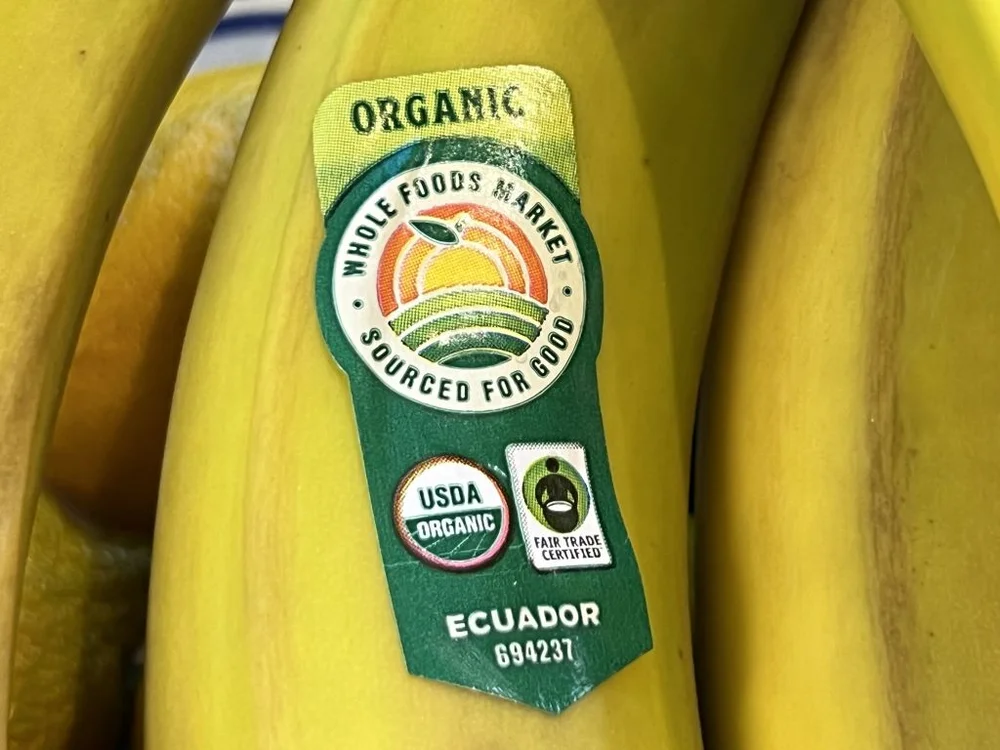
- Look for any of the labels on products. One common label is the bright blue energy star logo. These products make claims that are all certified by the EPA.
- Look for the label, as these products have to meet certain standards set by the Fair Trade USA nonprofit.
- Look for a USDA organic label instead of just the word organic.
- Look for the Non-GMO label, as products with it are verified by the for being fully GMO-free.
- Investigate to see if companies have green certifications before buying any of their products. The Library of Congress has a great of these certifications and what they mean.
You Have to Be Proactive, Not Reactive

Greenwashing isn't going anywhere, especially as more and more people strive to live more sustainable lives. Because of this, the only way you can combat greenwashing tactics is to be proactive instead of reactive. Don't wait to find out a brand you've been buying has duped you. Instead, look into sustainable and green businesses and shop from them. Take the time to check labels and read up on the products you buy. Consumption is king in our society, and what you consume has a huge impact on the change you want to see in the world.