

The world is moving at such a lightning-fast speed that it’s nearly impossible to keep up with every new development. If you’re a little behind on the pronouns front, that’s okay!
We’ve got you covered on all things personal pronouns, from a list of the common pronouns you might hear today to the fool-proof tips that'll help you nail pronouns in your everyday life.
What Are Personal Pronouns?
Despite being a hot-button topic on political segments for years now, personal pronouns are things people have used every day for decades without even realized it! In language, a personal pronoun is a signifier or shorthand you can use to refer to someone without always having to say their name.
The three classic pronouns are: he, she, and them.
Here are some examples of the different personal pronoun combinations many people use today:
- She/her/hers
- He/him/his
- They/them
- She/They
- He/They
- Ze/Zim/Zir
- Xe/Xim/Xir
Why Are There More Personal Pronouns Being Used Today?
Traditionally, the English language was created using the gender binary. There were only pronouns created to refer to a "man," a "woman," and a non-specified group of people, aka the plural. Naturally, these three options aren’t inclusive of all the different gender identities and expressions we embrace today.
So, over time, people have adopted various different pronouns to better align with their gender identity. For example, someone who is intersex might choose to use only they/them pronouns since their biological gender doesn’t fall on either side of the binary. Similarly, a trans woman might choose she/her pronouns to reflect her gender identity and ask friends and family that used he/him before to use she/her moving forward.
Do Personal Pronouns Reflect Sexuality?
This is a great question because everyone is at their own place in their gender and sexuality journey and might not know the ins and outs of how personal pronouns work. Personal pronouns are a reflection of your gender identity and not your sexuality.
Just because you’re straight doesn’t automatically mean you’re cisgendered. So, a straight person could use they/them or some other non-gendered pronoun to describe themselves in just the same way a queer person can.
Can Personal Pronouns Change?
Yes! Personal pronouns, like gender and sexuality, may change over time. As you move and grow through life, your new personhood might not match up to those old identifiers. There's no point in trying to squeeze yourself into jeans that feel too tight; it's high time you replace them with a new pair.
6 Tips to Help You Nail Personal Pronouns in Your Everyday Life
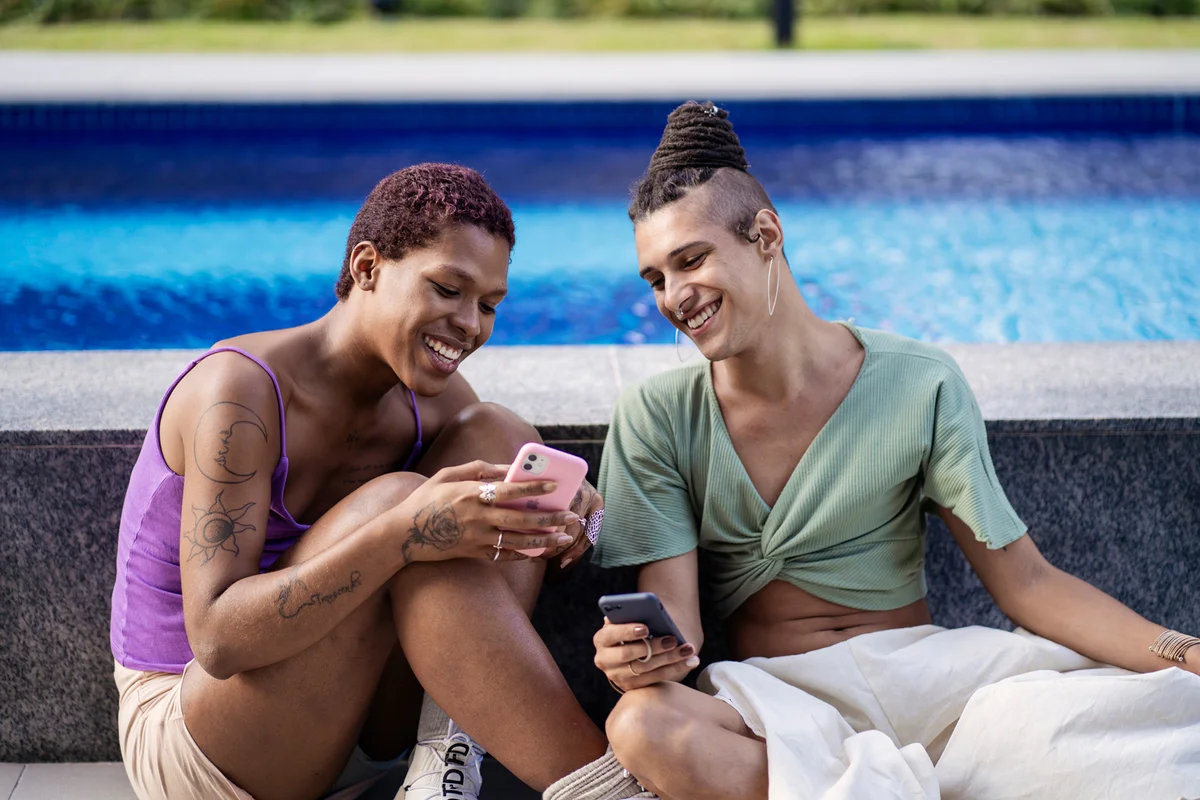
Whether you’re getting used to asking people to use your pronouns or you don’t know if it’s appropriate to ask someone for theirs, retraining your brain to think differently takes time. Meanwhile, we’ve got some foolproof tips to help you navigate personal pronouns in a respectful and educated way.
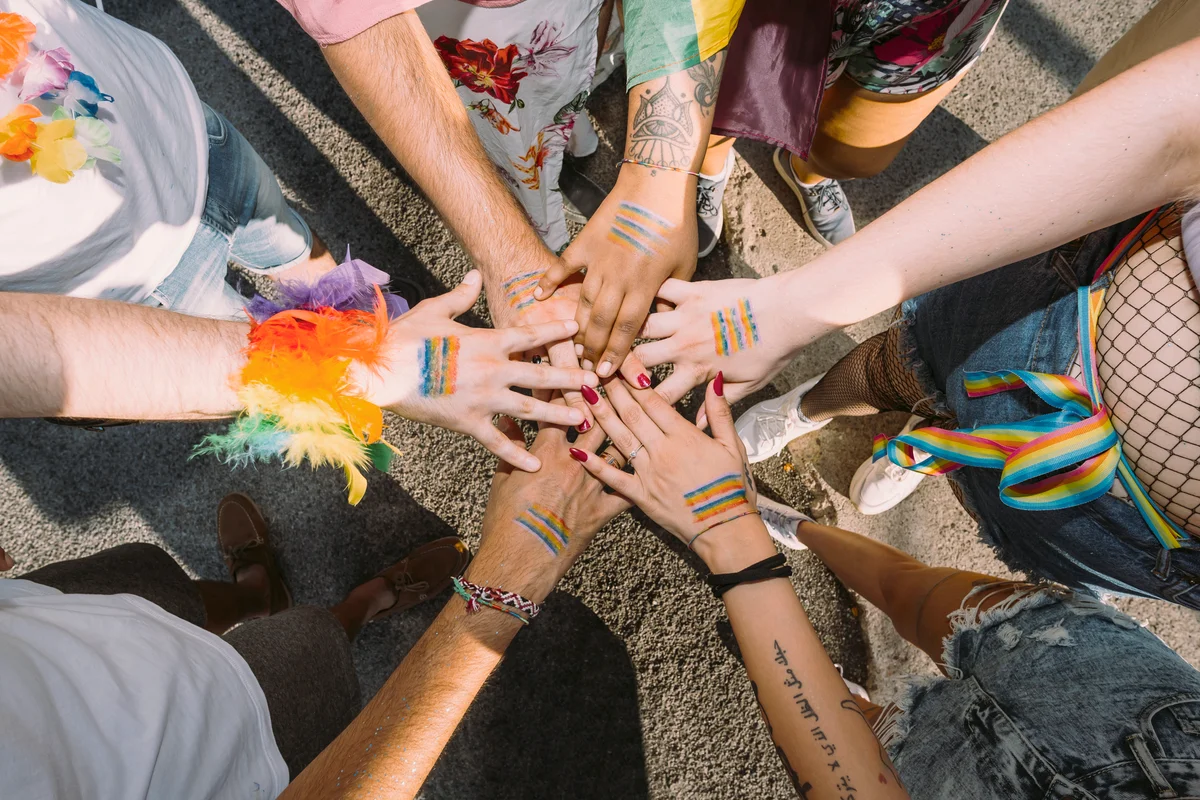
Don’t Assume Anyone’s Personal Pronouns
A big no-no when it comes to personal pronouns is assuming you can tell someone’s pronouns based on what they look like. Now, this doesn’t mean you might not use a pronoun before asking — after all, we’re all human — but it does mean you should be open to correction.
If You Don’t Know, Just Ask
With extremely divisive politics and internet politics like cancel-culture at large, it can feel dangerous to make even small mistakes. But the easiest way to not make any mistakes is to ask someone what their pronouns are. Be polite and kind when you ask, and they’re very likely to tell you.
But once you know their pronouns, it’s your job to be sensitive to what they are and try to include them. Even if they’re not ones you’re used to using all the time.
Make an Effort When Someone Corrects You
When someone corrects you about what their pronouns are, listen to what they say and make an immediate effort moving forward to use the right ones. Now, if you trip up in the conversation and slip a "he" instead of a "they," don’t immediately fling yourself off of a bridge. Just correct the mistake in the moment to the right pronoun and continue on. It’s all about showing that you’re trying! The more you try, the better you’ll get at it.
Start Using Them Yourself
One of the easiest ways to train your brain into not assuming you know everyone’s personal pronouns is to start using them yourself. When you introduce yourself in new work settings or with strangers, tell them your name and your pronouns.
For example, you might introduce yourself like “Hi, my name is Viv and I use they/them pronouns.� Or you could go even more short-handed and say something like “Hi! I’m Taylor and she/her/hers.�
Sharing Pronouns Doesn’t Open You Up to Invasive Questions
Just because someone tells you their pronouns and they indicate something outside of the gender binary doesn’t give you or anyone carte blanche to start asking personal questions. No one has a right to know your sexuality, what sexual organs you have, your gender journey, your sexual history, etc. So, swapping pronouns isn’t an invitation for invasive questions.
If You Don’t Feel Safe, Don’t Share or Correct Your Pronouns
Unfortunately, we live in a violent time where identities that fall outside of the gender binary are threatened and attacked. If you want to explore new pronoun options but live in an unsafe home, have an unsafe work environment, or reside in an unsafe area, don’t feel obligated to share or correct your personal pronouns.
You’re not any less of the identity you are by protecting your immediate safety. If you only want to share your personal pronouns with your close friends or partner(s), that’s absolutely okay. Safety comes first, even when it comes to pronouns.
Personal Pronouns Aren’t That Complicated
The media loves to overcomplicate things, especially when they have to do with stuff that falls outside of "traditional" practices. But personal pronouns really aren’t that complicated. Once you understand what they are and how to use them, it’s so easy to adapt to any new ones you encounter along the way.